
 312-345-1700

Recent Blog Posts
Can a Prior Conviction Make an Illinois Weapons Charge More Serious?

In short, yes: a prior conviction can make an Illinois weapons charge substantially more serious. In some situations, it transforms the case entirely. For certain offenses, a prior conviction changes a charge that allows probation into one that requires prison time. The type of prior conviction matters as much as having one. If you’re facing a new weapons charge in 2026 and have a record, our Chicago criminal defense lawyer can explain how your record affects the penalties you’re facing.
Which Prior Convictions Count as Enhancements in Illinois?
An enhancement is a rule that increases the seriousness of a charge or the possible sentence because of a prior conviction. Not every entry on a criminal record qualifies. What counts depends on the specific statute involved.
Examples can include:
Can I Get My Assault Charge Dismissed in Illinois?
 Under the right circumstances, you can get your assault charge dismissed in Illinois. It’s more common when the evidence is weak or the facts support a valid legal defense. Your chances are likely better with experienced legal representation. Before you face a serious charge in 2026, contact our Rolling Meadows, IL criminal defense lawyer. He can help you understand what dismissal might look like for your case.
What Does Illinois Law Actually Require for an Assault Conviction?
Under 720 ILCS 5/12-1, assault happens when someone knowingly acts in a way that makes another person reasonably fear they'll be hit or hurt. The state has to prove specific parts of this charge. It's not enough to just show that an argument or fight happened between you and another person.
How Do I Fight a Burglary Charge in Illinois?
 You can fight a burglary charge in Illinois in a few different ways. Burglary charges carry serious consequences. However, the state still has to prove every element of the offense beyond a reasonable doubt. Your job – and your attorney’s – is to present enough evidence to create that doubt.
If you're facing a burglary charge in 2026, our Oakbrook Terrace, IL criminal defense lawyer can help you understand what the prosecution needs to prove and how to challenge their case.
What Does the State Have to Prove in an Illinois Burglary Case?
Under 720 ILCS 5/19-1, burglary occurs when someone knowingly enters or remains in a place without authority. This can include a building, house trailer, watercraft, aircraft, motor vehicle, or certain other structures. The law applies when the person intends to commit a theft or felony inside. Therefore, the state must prove both that you entered unlawfully and that you intended to commit a crime once inside.
Can Refusing Field Sobriety Tests Help Your DUI Defense?
 Refusing field sobriety tests in Illinois can sometimes help your DUI defense. These tests are among the main tools officers use to build probable cause for a DUI arrest. The results are often used as evidence against you in court, but the prosecution will sometimes use your refusal against you as well. If you are facing a DUI charge in Illinois in 2026, a Chicago DUI defense lawyer at Hartsfield Law can review every detail of your case and help you build the strongest possible defense.
What Are Field Sobriety Tests and Why Do Officers Use Them?
Field sobriety tests are physical and cognitive exercises that officers use during a traffic stop to evaluate whether a driver may be impaired. The Horizontal Gaze Nystagmus test involves following a moving object with your eyes. The Walk and Turn test requires walking heel to toe along a straight line. The One Leg Stand test requires balancing on one foot while counting.
How Many Traffic Violations Can a CDL Driver Receive Before Losing Their License?
 For a CDL driver, two serious traffic violations within three years can trigger a disqualification, and additional violations can lead to even longer disqualification periods. Certain major offenses can result in a lifetime loss of CDL privileges. The rules for commercial drivers are much stricter than they are for regular drivers, and the stakes are much higher.
Even violations that seem minor in a personal vehicle can have serious consequences when you are behind the wheel of a commercial truck. If you are a CDL driver dealing with traffic violations in 2026, a Rolling Meadows traffic violations defense lawyer can help you protect your license and your career before it is too late.
Why Are the Traffic Rules Stricter for CDL Drivers?
Commercial drivers operate large, heavy vehicles that can cause serious damage in an accident. Because of that, federal and state law hold CDL holders to a higher standard than regular drivers. The Federal Motor Carrier Safety Administration, or FMCSA, sets the rules that govern CDL disqualification across all states, including Illinois.
How Do Prosecutors Prove Criminal Sexual Assault in Illinois?
 To convict someone of criminal sexual assault in Illinois, prosecutors have to prove specific things beyond a reasonable doubt. That is a high bar, and meeting it requires real evidence. However, keep in mind that a charge is not a conviction. Understanding how prosecutors build these cases is an important first step in fighting back. If you are facing a criminal sexual assault charge in 2026, an Oakbrook Terrace, IL criminal defense lawyer can help you understand what the state has to prove and where the case can be challenged.
What Is Criminal Sexual Assault Under Illinois Law?
Criminal sexual assault is defined under 720 ILCS 5/11-1.20. Under this statute, a person commits criminal sexual assault when they commit an act of sexual penetration and one of the following is true:
Can Dashcam or Bodycam Footage Help Your DUI Defense?
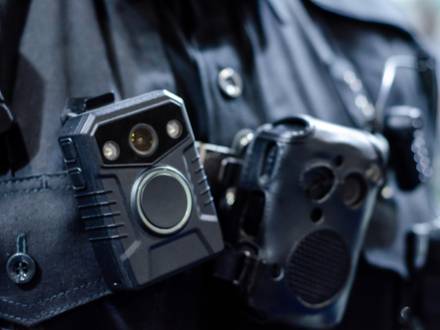 Dashcam and bodycam footage can often help when building a DUI defense. In fact, video evidence is one of the most powerful tools available in these cases. Officers are trained to document what they observe. However, their written reports do not always match what the camera actually captured. If the footage shows that your driving was steady, that you followed instructions calmly, or that the field sobriety tests were conducted improperly, that video can create serious doubt about the prosecution's case.
In 2026, more Illinois police departments than ever before are equipped with both dashcams and bodycams, which means video evidence is becoming a standard part of DUI cases in Rolling Meadows and throughout Cook County. A Rolling Meadows, IL DUI defense lawyer can review that footage with you and identify exactly where it works in your favor.
Can I Be Charged With a Weapon Crime if the Gun Was Not Mine?
 Illinois weapons charges don't always go to the person who owns the gun. In some cases, people are charged simply because they were in the wrong place at the wrong time. Illinois weapons laws are strict, and prosecutors don't always need to prove ownership to secure a conviction. If you are facing a gun charge in 2026, a Chicago, IL weapons crime defense lawyer can help you understand what you're facing and fight for the best possible outcome.
What Does Illinois Law Say About Weapon Possession?
Under 720 ILCS 5/24-1, Illinois law prohibits a person from knowingly possessing certain weapons under specific circumstances. The word "knowingly" is important. The law doesn't require that you own the weapon. It only requires prosecutors to prove you knew it was there and had some degree of control over it.
Burglary vs. Robbery vs. Theft in Illinois
 If you or someone you love has been charged with a property crime in 2026, you may be hearing words like burglary, robbery, and theft used almost interchangeably. They are not the same thing.
In Illinois, these are three separate crimes with very different definitions and very different consequences. A Chicago criminal defense lawyer can review your case for free and help you understand what you are actually facing.
What Is the Difference Between Burglary, Robbery, and Theft in Illinois?
Most people assume all three words loosely mean "stealing something." But Illinois law treats them as very different offenses. It all depends on how the crime happened, where it happened, and whether another person was involved.
Am I Going to Be Charged with Rape?
 If you are reading this, you are probably worried or downright scared. Maybe you had a sexual encounter that you now worry could lead to criminal charges. Maybe the other person was drunk. Maybe you are not sure they really wanted to have sex. Maybe they were younger than you thought. Whatever the situation, you need to understand Illinois law and what could happen next.
Sex crime charges are extremely serious. If you are facing sex crime charges in 2026, even if you have not been arrested yet, you should talk to a lawyer immediately. Our Chicago sex crimes defense attorney offers free consultations and can help you understand your legal situation. Call us today before you talk to police or anyone else about what happened.
The Definition of Rape in Illinois
Illinois does not actually use the word rape in its criminal code. Instead, the law calls it criminal sexual assault. Under 720 ILCS 5/11-1.20, criminal sexual assault is when someone commits an act of sexual penetration and uses force or threat of force, or when they know the other person can’t consent.













Oakbrook Terrace, IL 60181312-345-1700

Contact Our Firm
 The use of the Internet or this form for communication with the firm or any individual member of the firm does not establish an attorney-client relationship. Confidential or time-sensitive information should not be sent through this form.
I have read and understand the Disclaimer and Privacy Policy.